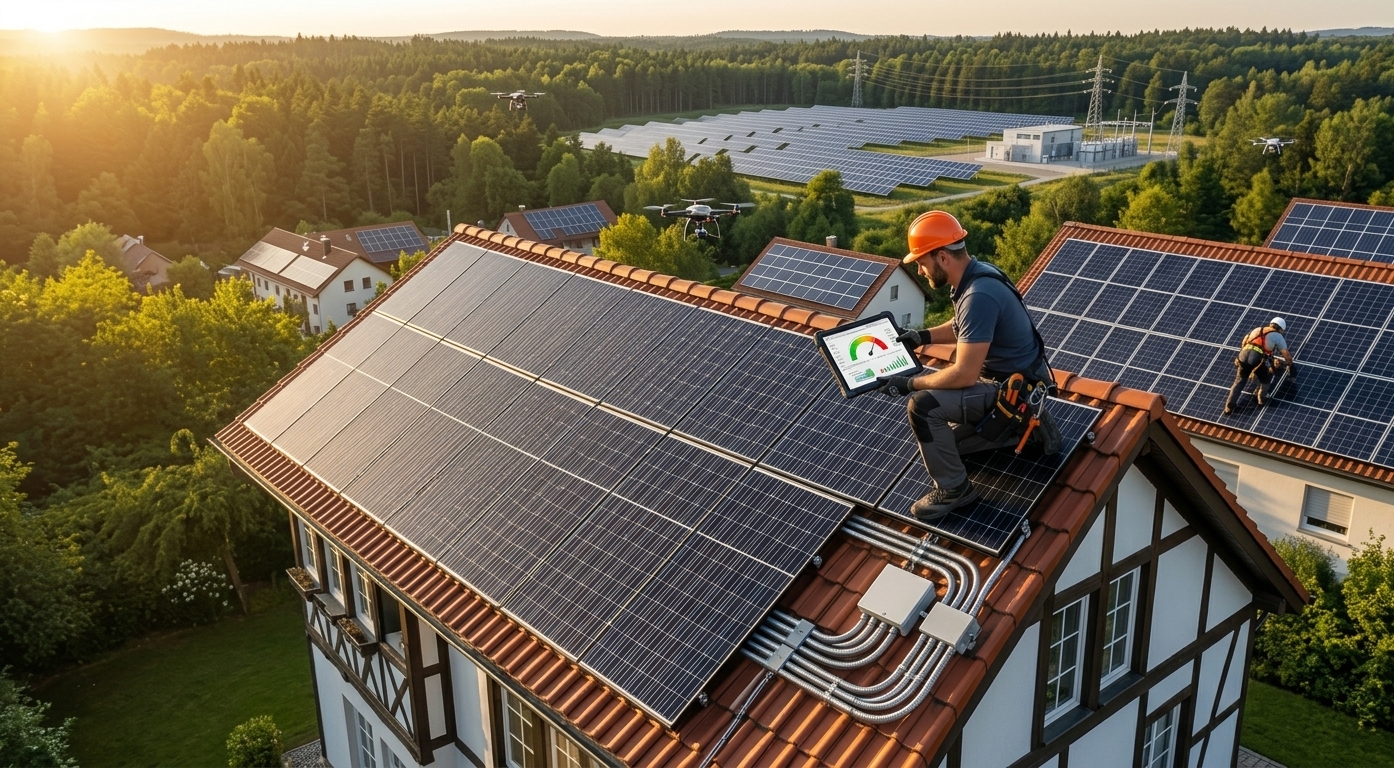
How to Maintain Solar Panels for Maximum Efficiency in 2026
Solar panels are designed to operate outdoors for many years, but regular maintenance is important for keeping them clean, safe, and productive. Dust, bird droppings, leaves, shading, damaged wiring, and inverter problems can reduce the amount of electricity your solar system generates.
The good news is that most residential solar systems do not require complicated daily maintenance. With regular performance monitoring, occasional cleaning when needed, and periodic professional inspections, homeowners can identify problems early and help their systems operate efficiently.
So, how do you maintain solar panels for maximum efficiency in 2026?
This guide explains how often to clean solar panels, which cleaning methods are safe, how to monitor energy production, how to care for your inverter and battery, and which maintenance mistakes to avoid. Whether you have a small rooftop installation or a larger home solar system, these practical tips can help protect your investment.
Why Is Solar Panel Maintenance Important?
Solar panels convert sunlight into electricity. Anything that blocks sunlight or interferes with the electrical system can reduce energy production.
Although solar panels are built to withstand outdoor conditions, they are still exposed to dust, rain, heat, wind, humidity, and seasonal changes. Their supporting structures, electrical connections, inverters, and batteries also need appropriate attention.
1. Maintain Electricity Production
Dust, pollen, leaves, and bird droppings can block sunlight from reaching the solar cells. In some environments, accumulated dirt can reduce energy production enough to make cleaning worthwhile.
The effect depends on the amount and type of soiling, local weather, panel angle, and rainfall. Light dust may have little impact in one location, while heavy dust or persistent bird droppings can cause a more noticeable reduction elsewhere.
2. Identify Problems Early
Monitoring your solar system can help you detect unusual changes in energy generation before they lead to larger problems.
For example, a sudden drop in output on otherwise similar sunny days may indicate shading, an inverter fault, a disconnected string, or another issue that needs investigation.
3. Protect Equipment and Extend Its Useful Life
Solar panels, inverters, batteries, mounting structures, and electrical connections are exposed to environmental stress. Appropriate inspections can identify loose hardware, damaged cables, corrosion, overheating, and other concerns.
Maintenance cannot guarantee a particular lifespan, but it can help detect problems early and reduce the risk of avoidable damage.
4. Improve the Value of Your Solar Investment
A solar installation represents a significant upfront expense. Keeping the system operating as intended helps you get more value from the electricity it generates.
Maintenance can also help you recognize whether the system is performing in line with its original production estimate.
How Often Should You Maintain Solar Panels?
There is no single cleaning schedule that works for every home. The appropriate frequency depends on local weather, dust levels, panel tilt, nearby trees, bird activity, and the manufacturer’s instructions.
A useful starting point is to monitor your system regularly, inspect accessible areas from the ground, and clean panels only when necessary. A professional inspection about every one to two years can be a reasonable planning interval for many residential systems, subject to local requirements and the manufacturer’s maintenance schedule.
Recommended Solar Panel Maintenance Schedule
| Maintenance Task | Suggested Frequency | Purpose |
|---|---|---|
| Check energy production | Weekly or monthly | Identify unusual performance changes |
| Inspect panels from the ground | Monthly | Look for visible dirt, debris, or damage |
| Check for new shading | Every few months | Identify tree growth or new obstructions |
| Clean panels when needed | Based on visible soiling and performance | Remove dirt that meaningfully affects production |
| Check inverter display and alerts | Monthly | Identify warnings and faults |
| Inspect battery status, if installed | Monthly | Confirm normal charging and discharging |
| Professional system inspection | Commonly every 1–2 years, as appropriate | Assess electrical and mechanical condition |
| Check after severe weather | Once conditions are safe | Identify possible storm damage |
These are general recommendations rather than universal requirements. Follow the system manufacturer’s instructions and arrange professional checks more frequently if you notice damage, repeated faults, or unusual performance changes.
How to Clean Solar Panels Properly
Cleaning is one of the most familiar solar maintenance tasks, but it should not be performed unnecessarily or in a way that damages the equipment.
Rain can wash away some loose dust from tilted panels. However, rain does not always remove sticky residue, dried bird droppings, oily pollution, or dirt that accumulates on flat installations.
Step 1: Check Whether Cleaning Is Necessary
Before cleaning, look for visible buildup and compare recent energy production with your system’s normal performance.
Consider whether weather conditions explain the change. Cloudy days, seasonal sunlight differences, high temperatures, and changing household consumption can affect the results.
Cleaning is most useful when the panels are visibly dirty or when persistent soiling appears to be reducing production.
Step 2: Choose a Safe Time
Solar panels can become hot in direct sunlight. Water applied to hot glass can create thermal stress, and working on a hot roof increases the risk of injury.
If cleaning is appropriate and can be performed safely, a cooler part of the day is generally preferable. Follow the panel manufacturer’s guidance about temperature and cleaning conditions.
Never climb onto a roof or reach across a dangerous area to clean panels.
Step 3: Use Suitable Cleaning Equipment
For accessible panels, appropriate equipment may include:
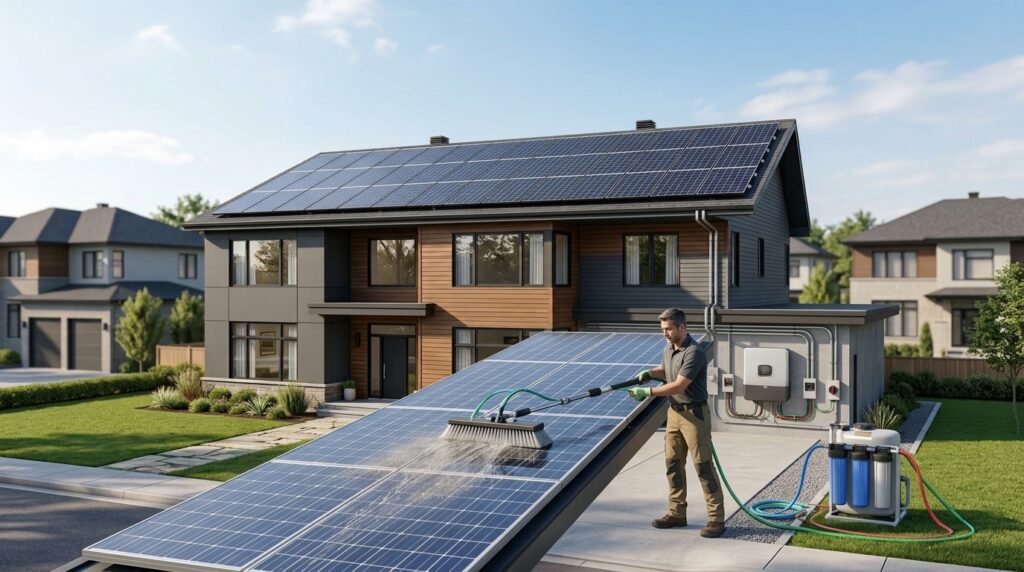
- Clean water.
- A soft brush or sponge suitable for solar glass.
- A long-handled cleaning tool designed for solar panels.
- A low-pressure water supply.
- Suitable protective equipment where needed.
Avoid abrasive pads, rough brushes, metal scrapers, and tools that could scratch the glass or damage the panel surface.
Step 4: Remove Loose Dirt Gently
If the panel can be safely reached from the ground, gently remove loose debris with an appropriate soft tool.
Do not press heavily on the glass or frame. Solar panels should never be walked on or used as a platform.
Step 5: Rinse With Appropriate Water
Use clean water and gentle rinsing to remove loose dust and residue. In areas with hard water, mineral deposits can leave marks after drying. Follow the manufacturer’s instructions about water quality and whether purified or demineralized water is recommended.
Avoid high-pressure washers, harsh chemicals, strong detergents, and unapproved cleaning agents.
Step 6: Check the Results
After cleaning, review system performance over comparable sunny periods. A noticeable improvement may indicate that dirt was affecting output.
Do not expect a specific percentage increase after every cleaning. If production remains low, the cause may be shading, equipment faults, weather conditions, or another issue that cleaning cannot resolve.
Safety reminder: Rooftop solar systems involve fall and electrical hazards. If the panels are difficult to reach, the roof is steep, or the installation is damaged, hire a qualified solar cleaning professional rather than attempting the work yourself.
How to Keep Solar Panels Clean for Longer
The goal is not to wash panels constantly. It is to reduce unnecessary buildup and clean them when doing so is likely to make a meaningful difference.
1. Monitor Dust and Pollution
Homes near construction sites, busy roads, industrial areas, or dry open land may experience more frequent soiling.
Observe how quickly dirt accumulates and adjust cleaning intervals according to actual conditions rather than following an arbitrary weekly schedule.
2. Remove Nearby Sources of Debris
Leaves, pollen, and small branches can collect on panels, particularly when trees are close to the roof.
Where necessary, arrange appropriate trimming by a qualified person. Do not cut branches or perform roof work if it would create a safety risk.
3. Check for Bird Droppings
Bird droppings can be persistent and may block sunlight over a small area. Remove them carefully when needed, using approved cleaning methods.
Avoid scraping dried material aggressively or applying chemicals that could damage the panel surface.
4. Do Not Assume Rain Removes Everything
Rain often removes some loose dirt, especially from tilted panels. However, it may leave mineral deposits or fail to remove sticky residue.
Inspect the panels periodically and clean them when the condition of the surface or system performance justifies it.
5. Avoid Unnecessary Cleaning
Every cleaning attempt introduces some risk of scratches, accidental damage, falls, or electrical hazards.
If panels are reasonably clean and performance is normal, additional washing may provide little benefit.
How to Monitor Solar Panel Performance
Cleaning is only one part of maintenance. Monitoring energy production is often a more effective way to identify whether your solar system needs attention.
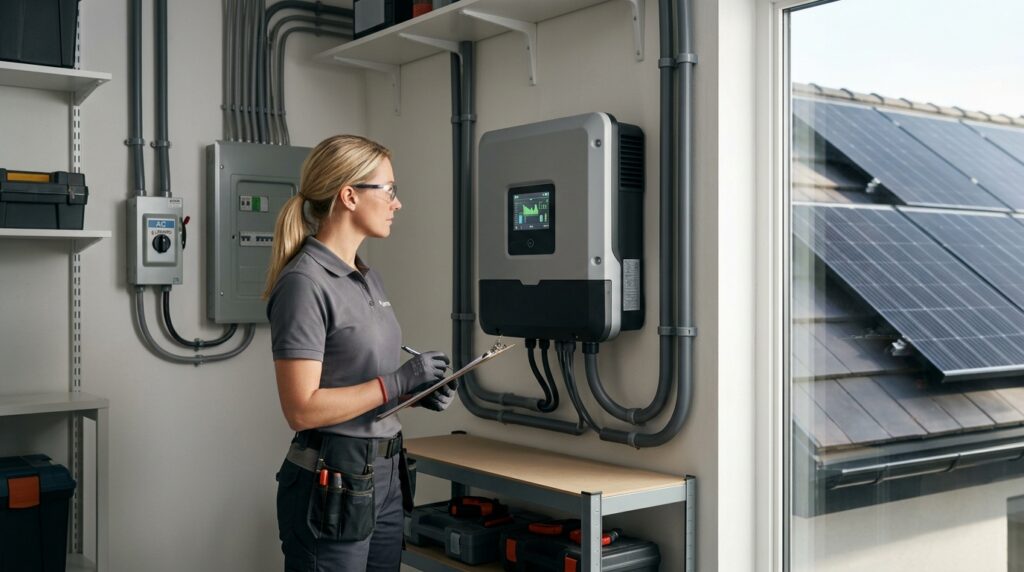
1. Use the Inverter Display or Monitoring App
Many solar systems provide an inverter display or a monitoring application that shows daily energy generation, current output, historical production, and fault notifications.
Check the system regularly and become familiar with its normal operating pattern.
2. Compare Similar Days
Solar production changes with weather and season. A cloudy day should not be compared directly with a clear day when assessing performance.
Instead, compare days with similar sunlight conditions and similar times of year. Review weekly or monthly trends where possible.
3. Understand the Difference Between Power and Energy
Power is measured in kilowatts (kW) and describes the rate at which electricity is being generated at a particular moment.
Energy is measured in kilowatt-hours (kWh) and describes the amount of electricity generated or consumed over time.
For maintenance, daily energy production in kWh is often more useful than checking one instantaneous power reading.
4. Look for Unexpected Drops
A sustained decline in production may be caused by:
- New shading from trees or nearby structures.
- Dirt or debris on the panels.
- Inverter warnings or shutdowns.
- Electrical connection problems.
- A damaged panel or cable.
- Changes in weather or seasonal sunlight.
- Incorrect monitoring settings or communication problems.
Do not assume every decline indicates a fault. First compare the conditions and historical trends, then contact your installer if the drop remains unexplained.
5. Keep a Simple Maintenance Record
Record cleaning dates, service visits, fault messages, and unusual production changes. This makes it easier to identify recurring problems and can be helpful when discussing warranty claims or repairs.
How to Maintain Your Solar Inverter
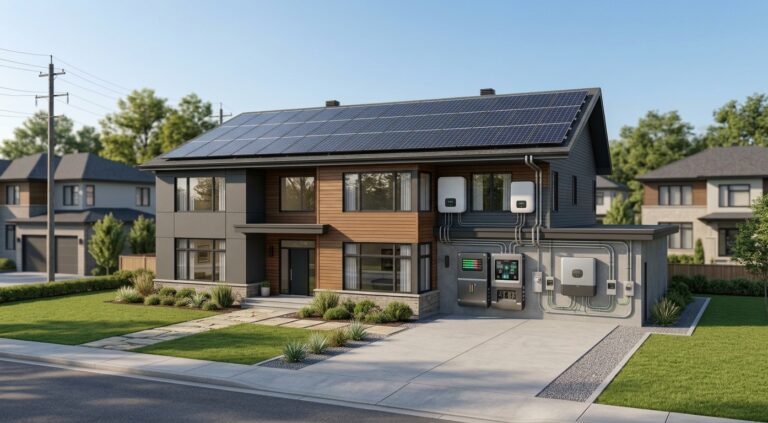
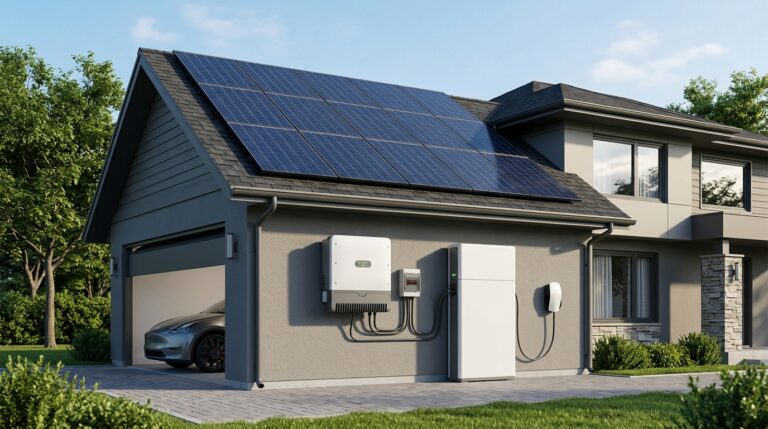
The inverter is a critical part of your solar system. Even clean panels cannot deliver their expected energy if the inverter is faulty, overheating, or operating incorrectly.
Keep the Area Around the Inverter Clear
Follow the manufacturer’s clearance and ventilation requirements. Do not cover the inverter with objects or store items that block its cooling vents.
Dust, excessive heat, and restricted airflow can affect performance and may shorten the equipment’s useful life.
Check the Display for Warning Messages
Look for error codes, warning lights, or unexpected shutdowns. Record the displayed message and consult the equipment instructions or a qualified technician.
Do not repeatedly reset the system without understanding why the fault is occurring.
Watch for Unusual Sounds or Smells
Unusual buzzing, burning smells, visible damage, or repeated overheating warnings should be treated seriously.
Keep away from damaged electrical equipment and contact a qualified professional. Do not open the inverter enclosure or attempt internal repairs yourself.
Keep Ventilation Open
Inverters generate heat during operation. Ensure that vents and cooling spaces remain clear and that the unit is installed in a location permitted by the manufacturer.
In hot climates, appropriate placement and ventilation are especially important.
Arrange Professional Inspection
A qualified technician can check electrical connections, protection devices, fault history, cooling components, and other parts of the system that homeowners should not handle themselves.
Solar Battery Maintenance Tips
If your solar system includes battery storage, maintaining the battery is important for backup reliability and long-term performance.
Maintenance needs depend on the battery chemistry, product design, installation environment, and manufacturer’s instructions.
1. Monitor Battery Charge Levels
Use the system’s monitoring display to check whether the battery charges and discharges as expected.
If the battery repeatedly fails to charge, stops discharging, or displays persistent warnings, contact the installer or service provider.
2. Maintain Suitable Temperatures
Excessive heat can accelerate battery aging. Some lithium batteries also restrict charging at low temperatures.
Keep the battery within the manufacturer’s specified operating range and avoid installing it in an unsuitable location.
3. Check for Visible Damage
From a safe distance, look for obvious signs of damage, swelling, leakage, corrosion, or other unusual conditions.
Do not touch a damaged battery or attempt to repair it yourself. Follow the manufacturer’s emergency instructions and contact a qualified technician.
4. Check Battery-Inverter Compatibility
If equipment is replaced or upgraded, ensure that the inverter, battery, communication settings, and charging profile remain compatible.
Incorrect settings can cause performance problems or create safety risks.
5. Follow Chemistry-Specific Maintenance Requirements
Lithium iron phosphate (LiFePO4) batteries generally need little routine maintenance, but their battery management system and temperature limits must be respected.
Flooded lead-acid batteries may require electrolyte checks and distilled-water top-ups. AGM and gel batteries generally do not need routine water top-ups, but they still require suitable charging and ventilation conditions as specified by the manufacturer.
Do not apply maintenance procedures for one battery type to another without checking the product instructions.
How Weather Affects Solar Panel Efficiency
Weather influences both solar panel production and the amount of maintenance a system may need.
Dust and Dry Weather
Dry, dusty conditions can leave a layer of dirt on panel surfaces. Homes in arid areas or near unpaved roads may need more frequent inspections.
Clean only when necessary and use methods suitable for the panel surface.
Rain and Humidity
Rain may wash away loose dust, but it can also leave mineral deposits or combine with dust to create residue.
High humidity can increase concerns about corrosion where electrical connections, mounting hardware, or enclosures are damaged or unsuitable.
High Temperatures
Solar panels generally become less efficient as their cell temperature rises above the conditions used for their rated performance.
This is normal behavior and does not automatically indicate a maintenance problem. Adequate ventilation beneath the panels and correct installation help avoid unnecessary heat buildup.
Do not spray hot panels with cold water as a quick cooling method.
Strong Winds and Storms
Severe weather can move debris, damage mounting hardware, or affect cables and roof attachments.
After a storm, inspect the system from the ground when it is safe. Arrange a professional inspection if you notice displaced panels, loose components, exposed wiring, or other damage.
Snow and Ice
In locations that experience snow, accumulation can temporarily reduce generation. Never climb onto a slippery roof or attempt to remove ice with sharp tools.
Follow the manufacturer’s guidance and use professional assistance where necessary.
How to Reduce Shading on Solar Panels
Even small areas of shade can reduce solar output, depending on the panel layout and inverter technology.
Identify the Source of Shading
Possible sources include:
- Growing tree branches.
- Nearby buildings.
- Chimneys and roof structures.
- Satellite dishes or other equipment.
- New construction.
- Seasonal changes in the sun’s position.
Observe shading at different times of day and during different seasons. A roof that receives full sunlight in summer may experience more shade in winter.
Trim Trees Carefully
If vegetation is reducing solar production, arrange appropriate trimming by a qualified arborist or landscaper.
Check local rules before removing or heavily pruning protected trees. Never climb onto a roof or work near electrical lines without the necessary qualifications and precautions.
Avoid Moving Panels Without Professional Advice
Changing panel position or rewiring the array may affect mounting integrity, electrical safety, warranties, and system performance.
If shading is a persistent problem, ask a qualified solar designer whether panel relocation, string redesign, power optimizers, or microinverters would be appropriate.
Common Solar Panel Maintenance Mistakes to Avoid
1. Using a Pressure Washer
High-pressure water can damage seals, electrical components, or panel surfaces. Gentle cleaning methods are generally safer.
2. Cleaning Panels With Abrasive Tools
Rough brushes, metal scrapers, and abrasive pads can scratch the glass or damage coatings. Use suitable soft tools approved for solar panel cleaning.
3. Using Harsh Chemicals
Strong detergents, solvents, and unapproved cleaning products can damage panel surfaces or leave residue.
Follow the panel manufacturer’s cleaning instructions.
4. Walking on Solar Panels
Panels are not designed to support a person’s weight. Walking on them can damage cells, glass, or internal connections, even when the damage is not immediately visible.
5. Ignoring Inverter Warnings
A persistent error message may indicate a problem that cleaning will not solve. Record the fault and arrange appropriate professional assistance.
6. Attempting Electrical Repairs Yourself
Solar panels can generate electricity whenever they receive light. Disconnecting equipment does not necessarily make every component safe to touch.
Do not open electrical enclosures, disconnect cables, or repair damaged equipment unless you are qualified and the system has been made safe using the correct procedure.
7. Cleaning Too Frequently
Unnecessary cleaning adds labor and risk without guaranteeing a meaningful increase in electricity generation.
Use visible dirt, local conditions, and performance monitoring to determine when cleaning is worthwhile.
8. Neglecting the Mounting Structure
Loose fasteners, corrosion, damaged roof penetrations, or displaced mounting components can create safety and water-leak risks.
Leave structural repairs and work at height to qualified professionals.
A Practical Solar Panel Maintenance Checklist
Use this checklist to organize routine care for your home solar system.
- Review solar production and fault notifications.
- Inspect panels from the ground for visible dirt or damage.
- Look for new shading from trees or nearby structures.
- Check for debris accumulating around accessible system areas.
- Ensure the inverter’s ventilation area remains clear.
- Review battery status if storage is installed.
- Record unusual production changes and error messages.
- Clean panels only when necessary and when it is safe to do so.
- Arrange professional inspection according to the system requirements.
- Request prompt professional help for damaged wiring, loose panels, overheating, or persistent faults.
This checklist is a general guide. Your system may require additional checks depending on its size, location, equipment, and local safety requirements.
Frequently Asked Questions About Solar Panel Maintenance
1. How often should solar panels be cleaned?
It depends on local conditions. Panels in dusty environments or near trees may need cleaning more often than panels in cleaner areas. Inspect them periodically and clean when buildup is likely to affect performance.
2. Does rain clean solar panels effectively?
Rain can remove loose dust from tilted panels, but it may not remove sticky residue, bird droppings, or mineral deposits. Check the panels periodically rather than assuming rainfall keeps them completely clean.
3. Can dirty solar panels reduce electricity production?
Yes. Dust, debris, bird droppings, and other deposits can block sunlight and reduce output. The impact depends on the amount and type of soiling and the panel layout.
4. Can I clean solar panels myself?
Only consider cleaning if the panels are safely accessible without climbing onto a roof or approaching electrical hazards. Use suitable equipment and follow the manufacturer’s instructions. Hire a qualified professional for difficult-to-reach or hazardous installations.
5. What is the safest way to clean solar panels?
Use an appropriate soft cleaning tool, clean water, and gentle rinsing when permitted by the manufacturer. Avoid pressure washers, abrasive materials, harsh chemicals, and walking on the panels.
6. Do solar panels need maintenance every year?
Not every system requires the same service interval. Check the manufacturer’s maintenance schedule and local requirements. A professional inspection every one to two years may be appropriate for many residential systems, while faults or damage require earlier attention.
7. How do I know if my solar panels are working efficiently?
Monitor daily or monthly energy production and compare similar weather conditions and seasons. A persistent unexplained decline may indicate soiling, shading, or an equipment issue.
8. Does hot weather reduce solar panel efficiency?
Yes. Solar cells generally produce less power as their operating temperature increases above the rated test conditions. This is a normal characteristic of photovoltaic panels, not necessarily a sign that the system needs cleaning.
9. How can I improve solar panel efficiency without replacing the panels?
Keep panels reasonably clean when necessary, reduce avoidable shading, monitor performance, maintain suitable inverter ventilation, and repair faults promptly. These steps can help the existing system perform as intended.
10. How should I maintain my solar inverter?
Keep the area around it clear, check monitoring alerts, and follow the manufacturer’s maintenance instructions. Have a qualified technician investigate repeated faults, overheating, or unusual smells. Never open the enclosure to perform unauthorized repairs.
11. Do solar batteries need maintenance?
Yes, but the requirements depend on the battery type. Lithium batteries generally require minimal routine maintenance, while flooded lead-acid batteries may need electrolyte checks and water top-ups. All battery systems need suitable charging, temperature control, and safety inspections.
12. Should I turn off my solar system before cleaning the panels?
Follow the equipment manufacturer’s instructions and consult your installer about the correct safe procedure. Solar panels can still produce DC electricity in daylight, and switching off the inverter does not necessarily make rooftop wiring safe. If safe isolation is uncertain, use a qualified professional.
13. Can cleaning solar panels increase savings?
It can if accumulated dirt is meaningfully reducing production. The financial benefit depends on the improvement in electricity generation, the cost of cleaning, and the value of the additional electricity. Cleaning already-clean panels may provide little benefit.
14. When should I call a solar maintenance professional?
Arrange professional help for persistent inverter errors, unexplained production drops, damaged wiring, loose or cracked panels, water leaks near mounting points, unusual battery behavior, or any work involving electrical components and difficult roof access.
Final Verdict: How to Maintain Solar Panels for Maximum Efficiency
Maintaining solar panels does not have to be complicated. The most effective approach is to monitor energy production, inspect the system safely, clean panels when necessary, reduce avoidable shading, and address equipment problems promptly.
Avoid unnecessary washing and never compromise safety to reach rooftop panels. Keep inverter ventilation clear, follow battery-specific maintenance requirements, and schedule professional inspections according to your system’s needs.
The key to maximum solar panel efficiency is consistent monitoring and preventive care—not constant cleaning. A well-maintained system is better positioned to deliver reliable electricity and long-term value throughout its useful life.